
How Does Florence Pugh's Cathy Differ from the Book?
Florence Pugh leads the cast as Cathy in Netflix's new adaptation of John Steinbeck's East of Eden, a novel first published in 1952. The series, released in October 2026, reimagines key elements of the classic story while maintaining its core themes of good and evil. Set in California's Salinas Valley, the adaptation brings the multi-generational tale to a modern audience with updated character dynamics and narrative focus.
Culture picks
 Black Clover Returns With Strong Start to Season 2
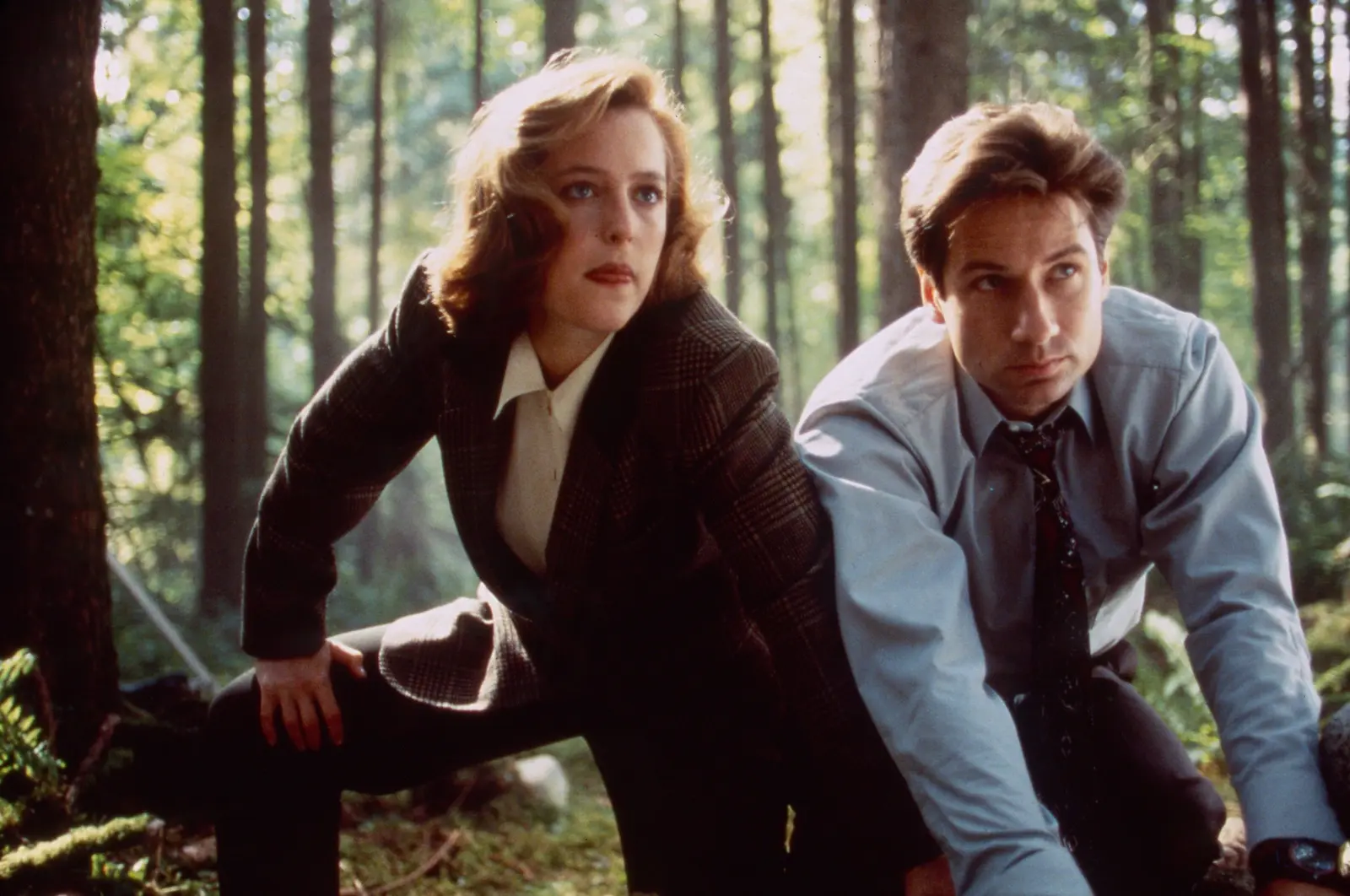 X‑Files Reaches Peak With Near‑Perfect Three‑Part Thriller
 Dakota Johnson and Turnstile to Appear on Saturday Night Live This Weekend
 DC Batman Sequel Faces Further Delays Amid Franchise Expansion
The changes stem from a desire to make the story resonate with contemporary viewers, particularly in how it portrays Cathy Ames, one of literature's most complex antagonists. Florence Pugh, who plays Cathy, explained in interviews that the adaptation delves deeper into her psychological motivations, offering a more nuanced portrayal than the original novel allowed. Rather than depicting her as purely evil, the series explores the trauma and societal pressures that shaped her actions, aligning with modern understandings of character development.
What Else Has Changed in the Adaptation?
In Steinbeck's novel, Cathy is often portrayed as an embodiment of innate evil, with little explanation for her manipulative and destructive behavior. Netflix's version, however, introduces flashbacks and internal monologues that reveal her troubled upbringing and sense of isolation. Pugh has said this approach allows audiences to understand, if not sympathize with, Cathy's choices. The adaptation also gives her more agency in key scenes, shifting her from a passive force of corruption to an active architect of her own fate.
Beyond Cathy's characterization, the series alters the timeline of certain events to heighten dramatic tension and streamline the multi-decade narrative for television. Some secondary characters from the book have been combined or given expanded roles to strengthen thematic echoes across generations. The Salinas Valley setting remains central, but the visual style leans into a more cinematic, almost noir-inspired aesthetic, contrasting with the novel's straightforward prose. These adjustments aim to preserve Steinbeck's exploration of free will and moral choice while making the story accessible to viewers unfamiliar with the source material.
Why did Netflix choose to adapt East of Eden now? The timeless themes of sibling rivalry, identity, and the struggle between good and evil continue to resonate, making the novel a strong candidate for a prestige adaptation that can attract both literary fans and new audiences.
Frequently Asked Questions
Is Florence Pugh's performance being praised for the role? Early reviews highlight Pugh's ability to convey Cathy's chilling intelligence and emotional depth, noting that she avoids caricature while delivering a psychologically rich interpretation.
Does the adaptation stay true to the novel's ending? While the conclusion remains faithful to Steinbeck's vision of redemption and cyclical hope, the journey there includes new scenes and perspectives that reframe certain motivations without altering the ultimate outcome.