The Myth of the Noble Gunslinger
For decades, popular culture portrayed Western gunslingers as noble heroes, solitary enforcers of justice who upheld order through courage and skill with firearms. This image, deeply embedded in legend, was built over decades by classic Western films, novels, and television shows that glorified violence as a tool of justice.
Culture picks
 Marvel Studios Announces New Series Set to Follow Avengers: Age of Ultron
 Want to Fight Book Bans? Here’s How to Take Meaningful Action All Year Long
 Dexter: Resurrection Season 2 Set to Return with Krysten Ritter’s Enthusiastic Support
 Nine Actors Who Brought Wednesday Addams to Life, Ranked
Eastwood's Reversal of Perspective
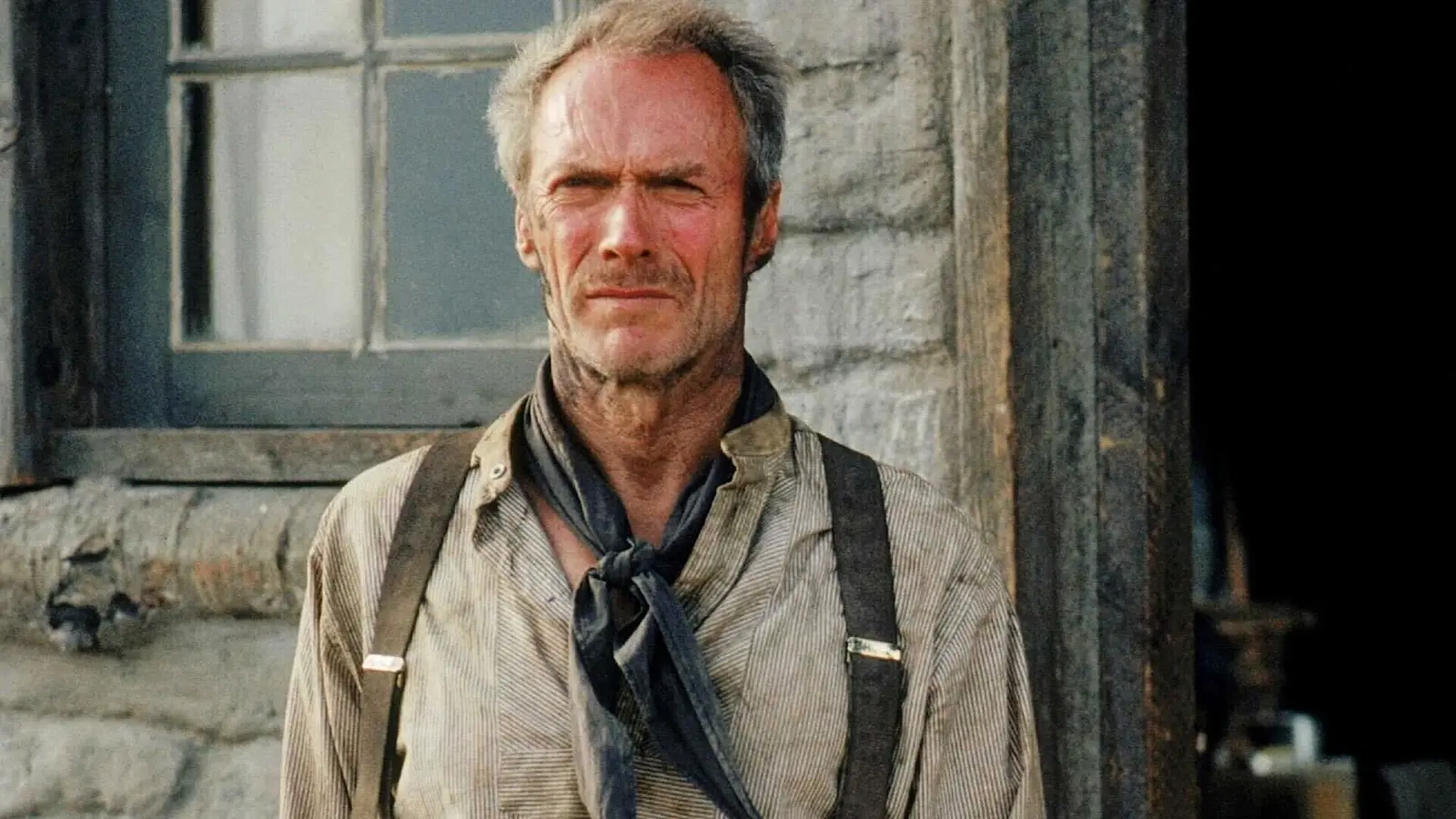
With Unforgiven, Eastwood chose to reverse that perspective. Instead of celebrating acts of violence, the film exposes their painful, psychological, and moral consequences. The central character, William Munny, portrayed by Eastwood himself, is not a triumphant hero but an aging man haunted by regret, returning to the life of a gunslinger only out of economic necessity, not desire for glory or justice. Through this character choice, the film underscores that life in the West was not a journey of heroism but often an existence marked by senseless violence, brutality, and human loss.
The Vulnerable Gunslinger
An essential element of the film is how it presents the gunslinger figure not as a master of duels, but as a vulnerable man affected by age, illness, and fear. The final duel, distant from the elegance and choreographed rhythm of traditional Westerns, is slow, clumsy, and traumatizing. There is no heroism in how it unfolds — only tension, uncertainty, and a sense of inevitable tragedy. This realistic portrayal diametrically contradicts the stereotype of the gunslinger as an infallible, calm, and controlled figure in the face of danger.
The Myth of Self-Administered Justice
Unforgiven also attacks the myth of self-administered justice in the West. The character of Gene Hackman's Little Bill Daggett is a sheriff who creates order through terror and abuse of power, not fairness. He bans carrying weapons in town not to protect citizens, but to consolidate his dominance. Thus, the film shows that authority in the West was not always synonymous with justice, but often with corruption and institutionalized violence. Even those who claim to uphold the law become, in many cases, part of the problem.
Long-Term Consequences of Violence
Another remarkable aspect is how the film treats the long-term consequences of violence. Munny does not enjoy victory; after completing his mission, he feels empty, broken, and condemned to live with memories of acts he considers unforgivable. There is no moral victory, only a bitter form of survival. This lack of redemption sharply contrasts with typical Western endings, where the hero rides off triumphantly into the horizon, leaving behind a better world.
A Transformation of the Genre
Through all these elements, Unforgiven does not merely critique the Western genre — it transforms it. Eastwood did not simply make another gunslinger film; he deconstructed the mythological foundation on which the genre was built. Through a mature, uncompromising narrative full of humanity, the film forced audiences to ask: Was the Wild West truly a place of heroism and freedom? Or was it, in fact, a territory where violence was frequently unjustified, law rare, and life easily lost?
Conclusion
In conclusion, Unforgiven marked a turning point in cinema. Through a realistic approach, morally complex and free of deceptive nostalgia, the film showed that the myth of the heroic gunslinger was not just incomplete — it was dangerous, because it concealed the harsh reality of life on the American frontier. Eastwood did not just film a story; he rewrote the collective memory of a myth.