
A Fresh Take on Narrative Illusion
Emma Cline’s „Switzy,” Francis Fukuyama’s „In the Realm of the Last Man,” and R. F. Kuang’s „Taipei” topped the latest Book Marks roundup. The three titles, released by Random House, a major academic press, and an independent publisher respectively, earned a blend of rave and positive reviews from critics across the United States. Their arrival this week has sparked conversation among literary circles and readers eager for fresh perspectives.
Culture picks
 Lanterns Star Poorna Jagannathan Analyzes Zoe’s Dark Turn in Episode Five
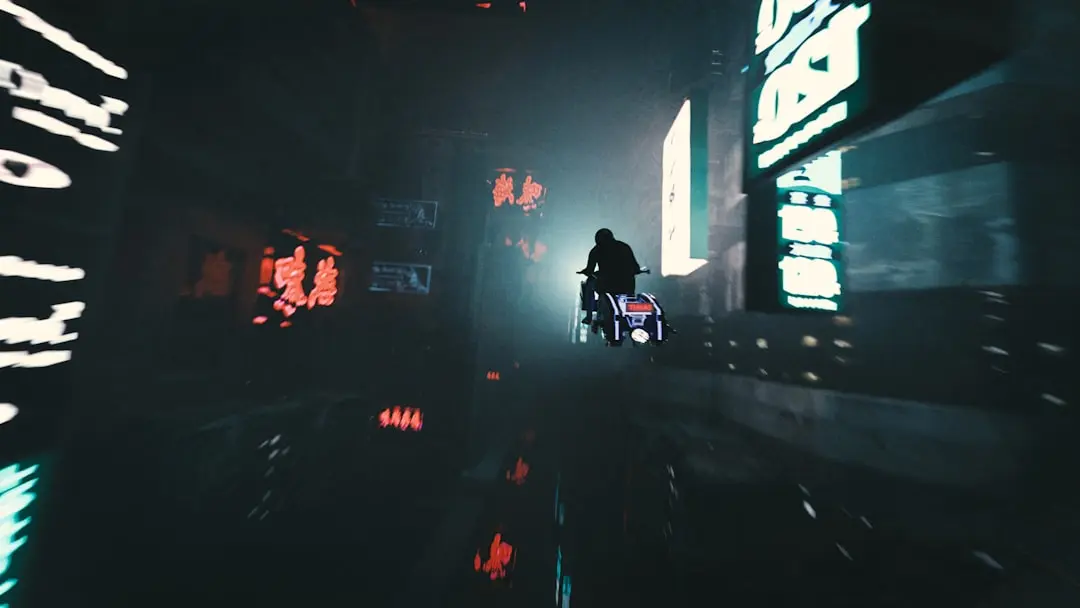 ABC’s 14‑Part Cyberpunk Series Calls for Black Mirror‑Level Recognition
 Star Trek: Strange New Worlds Announces Genre Shift for Final Six Episodes
 Céline Dion Returns to Paris Stage After Six-Year Absence
„Switzy” dazzles with a hypnotic narrative that blurs reality and illusion, drawing reviewers into a world where perception is constantly challenged. Cline’s prose, praised for its lyrical intensity, invites readers to question the reliability of memory. Meanwhile, Fukuyama’s nonfiction work tackles the philosophical implications of a world edging toward its final chapter, offering a sober analysis of political and cultural decline. Critics note his measured tone and depth of research as strengths. Kuang’s „Taipei” returns to the city that inspired her earlier novels, weaving a gritty, genre‑bending tale that mixes crime, history, and supernatural elements. Reviewers commend its vivid setting and bold storytelling, calling it a daring evolution of her previous work.
Cline’s „Switzy” earned five „rave” scores, three „positive,” and one „mixed” rating, signaling strong critical consensus. The novel’s core premise—characters navigating a labyrinth of false identities—resonates in an era of digital masquerade. One reviewer highlighted the book’s „masterful manipulation of narrative voice,” noting how each chapter feels like a mirror that both reflects and distorts the protagonist’s inner life. The novel’s pacing, described as „hypnotic,” keeps readers suspended between certainty and doubt, a technique that has become Cline’s signature.
Why Is Fukuyama’s Latest Work Stirring Debate?
Fukuyama’s „In the Realm of the Last Man” arrives at a time when scholars scramble to interpret the signs of societal fatigue. The book argues that humanity may be approaching an existential plateau, where progress stalls and old paradigms crumble. Critics praise his willingness to confront uncomfortable truths, yet some question whether his optimism about renewal is overly hopeful. The work’s blend of historical analysis and forward‑looking speculation has ignited discussions in academic forums and online panels, suggesting it will influence policy debates for months to come.
The three books together illustrate a literary landscape that values both imaginative fiction and rigorous nonfiction. Their strong reception hints at a readership hungry for stories that challenge perception, confront decline, and reimagine urban mythologies. As the titles circulate through libraries, book clubs, and university syllabi, they may shape cultural conversations about identity, governance, and the power of place.
Frequently Asked Questions
What genres do the three books cover? „Switzy” is literary fiction with experimental narrative techniques, „In the Realm of the Last Man” is political philosophy nonfiction, and „Taipei” blends crime thriller with speculative elements.
Are these books suitable for general readers? Yes; while each demands attention, the prose is accessible. „Switzy” and „Taipei” appeal to fiction lovers, whereas Fukuyama’s work suits readers interested in current affairs and history.
Where can I find these titles? All three are available in major bookstores, online retailers, and most public libraries. Many institutions also offer digital editions for e‑readers.