The Rise of the „Controversial” Label in Education
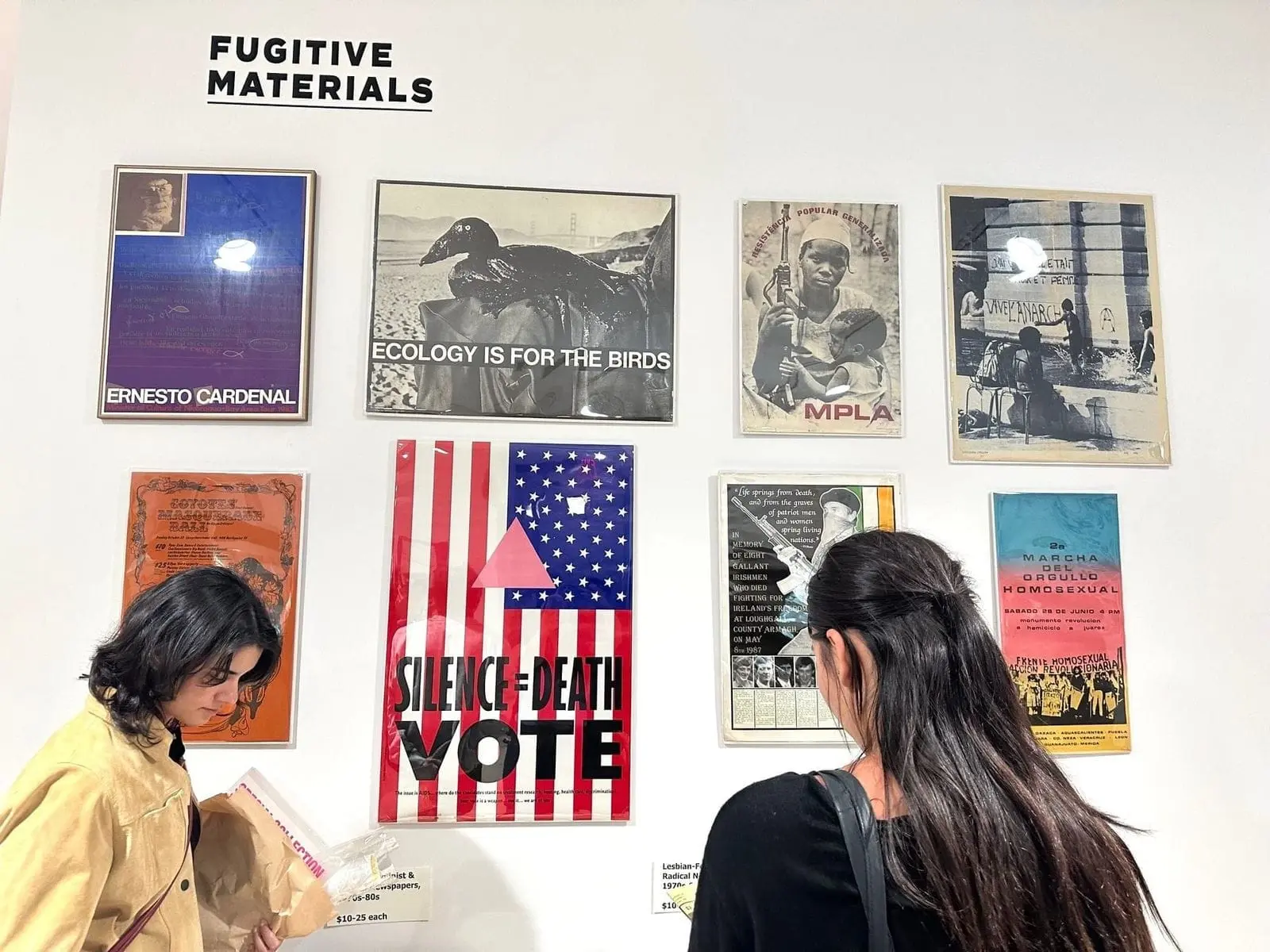
A recent discovery in a Texas public school librarian’s archive reveals a state report detailing banned or contested books during the 2003–2004 school year. The report surfaced while the author, who was in daycare at the time, sifted through her grandmother’s notes, reading lists, and ephemera. The compilation offers a snapshot of the controversies that shaped a decade of school libraries.
Culture picks
 Josh Goldstine Appointed to Lead Global Marketing and Distribution Strategy
 AMC+ Launches Aggressive Three-Dollar Streaming Promotion Ahead of Yaga Debut
 Nate Bolotin Steps Down as Co-Founder of XYZ Films After Two Decades
 Glee Star Chris Colfer Addresses Potential Series Revival
The document lists titles that faced challenges, the reasons cited—ranging from sexual content to political themes—and the outcomes of each case. The librarian’s meticulous records provide context for how school districts responded to parental concerns and how educators navigated the fine line between free expression and community standards. The report also highlights the broader national trend of book bans that intensified in the early 2000s, reflecting shifting cultural attitudes toward literature and censorship.
How Do Banned Books Shape Future Generations?
In the early 2000s, school districts across the United States began to adopt stricter policies on curriculum content. The Texas report shows that over 200 books were challenged during the 2003–2004 academic year alone. Many of these titles dealt with topics such as sexuality, race, and political dissent. Parents often cited the need to protect children from „inappropriate” material, while teachers argued for the educational value of diverse perspectives. The tension between safeguarding youth and upholding intellectual freedom emerged as a defining issue of the era.
The librarian’s notes reveal that the school board often relied on a committee of parents and educators to review contested books. In some cases, titles were removed from circulation; in others, they were placed in restricted sections. The report also documents the legal and administrative procedures that schools followed, offering a detailed look at how censorship decisions were made at the local level.
What Lessons Can Modern Educators Learn?
The impact of these bans extends beyond the classroom. Students who were denied access to certain works may miss opportunities to engage with complex themes and develop critical thinking skills. Moreover, the act of banning can itself become a form of censorship, limiting the breadth of ideas available to young minds. The librarian’s archive shows that many of the challenged books were later reinstated after community debate, suggesting that public discourse can reverse restrictive decisions. Yet, the initial removal often leaves lasting scars on the perception of literature among students.
The story of the librarian’s archive also underscores the importance of preserving records. By maintaining detailed logs of reading lists and challenges, educators can track patterns of censorship and advocate for more inclusive policies. The archive serves as a reminder that the fight for intellectual freedom is ongoing and that each generation must guard against the erosion of access to diverse literature.
Frequently Asked Questions
Modern educators can draw several lessons from this historical snapshot. First, transparency in the decision‑making process is vital. When parents and teachers openly discuss the criteria for book selection, trust is built, and misunderstandings are reduced. Second, involving students in the conversation about what constitutes appropriate content can empower them to think critically about censorship. Finally, maintaining comprehensive records, like those kept by the librarian, provides accountability and helps future generations understand the context of past controversies.
The legacy of the 2003–2004 banned books report reminds us that literature is a contested space. The decisions made today will shape the intellectual landscape for years to come. By learning from the past, educators can create a more inclusive, thoughtful, and resilient literary environment for all students.