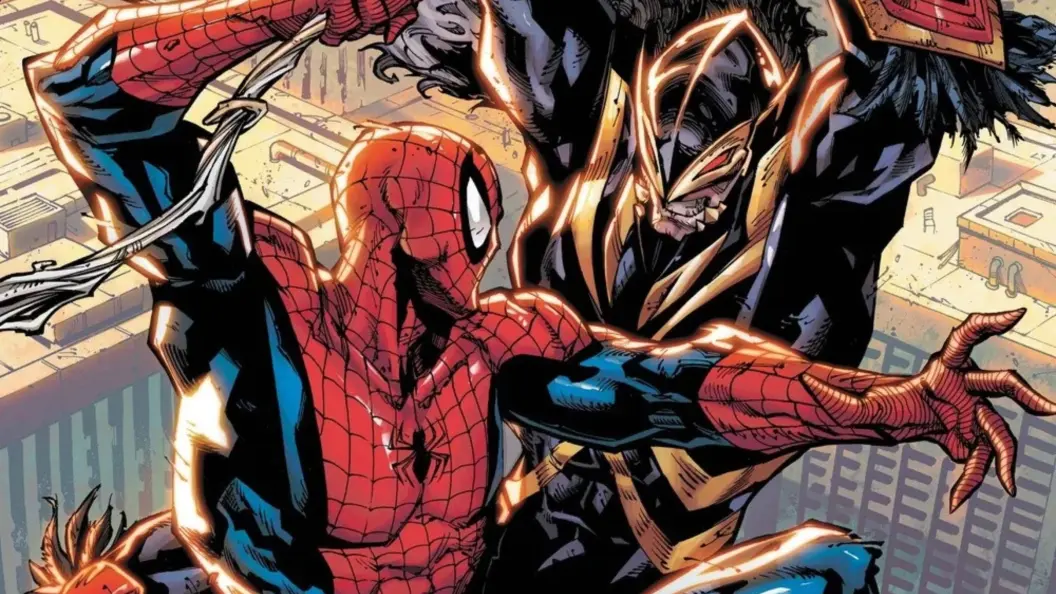
Modern Antagonists Mirror Classic Threats
Spider-Man possesses the most extensive and celebrated rogues' gallery in Marvel Comics history. Many of his most iconic enemies debuted during his early years in the 1960s. Fans often immediately recall legendary figures such as Doctor Octopus, Sandman, Electro, the Lizard, and the Green Goblin. These characters define the hero's classic era. However, the modern decade has introduced a new wave of antagonists. These recent enemies demonstrate that the character's threat level remains high and evolving.
Culture picks
 Percy Jackson Series Shifts Disney+ Power to Netflix
 Below: Netflix's New Supernatural Thriller Captures Fans Instantly
 Crystal Lake Creator Reveals Favorite Kill in Episode Six
 Best Comic‑Book Films Since 2020: A Fresh Look at the Genre’s Recent Hits
The 2020s have seen a resurgence of both new and returning threats. Writers and artists have crafted villains that mirror the complexity of the original lineup. This continuity ensures that Spider-Man never faces a static set of opponents. The current era blends nostalgia with fresh narrative concepts. This approach keeps the series relevant for new and long-time readers alike.
Recent storylines have highlighted five specific villains who stand out from the 2020s. These characters are frequently compared to the old schoolenemies from the 1960s. The comparison is not merely aesthetic but thematic. Each modern foe challenges Peter Parker in ways that echo his historical struggles. They test his moral compass and physical limits. This parallel structure allows writers to explore timeless themes through new lenses.
Why Do New Villains Feel So Familiar?
For instance, the psychological depth of recent antagonists matches that of the Green Goblin. The physical menace of new foes rivals the raw power of the Lizard. This balance between mind and body keeps the conflict dynamic. Readers see familiar archetypes reimagined for a contemporary audience. The result is a rich tapestry of conflict that honors the past while pushing forward.
The familiarity of these 2020s villains stems from their core motivations. Many seek revenge, power, or redemption, just like their predecessors. This thematic consistency provides a bridge between eras. It helps new readers understand the weight of Spider-Man's history. It also satisfies veterans who recognize the narrative beats. The writers have successfully updated the formula without breaking it.
The visual design of these characters also plays a crucial role. Costumes and abilities often nod to classic aesthetics. This visual language reinforces the connection to the 1960s. It creates a cohesive universe where time feels continuous. The art style supports the narrative by evoking a sense of legacy. This intentional design choice strengthens the emotional impact of the stories.
The future of Spider-Man's rogues' gallery looks bright. With such a strong foundation, the character can continue to evolve. New writers will likely draw from this rich pool of modern and classic enemies. The balance between innovation and tradition remains key. Fans can expect more creative pairings and conflicts. The 2020s have proven that Spider-Man's enemies are as vital as ever.
Frequently Asked Questions
Which 2020s villains compare to classic foes? Recent antagonists from the 2020s are often likened to Doctor Octopus and the Green Goblin. These comparisons highlight similar psychological and physical threats. The modern versions update classic archetypes for current storytelling needs.
Why are these comparisons important? They show the continuity of Spider-Man's narrative themes. This connection honors the character's legacy while introducing fresh conflicts. It ensures that new stories feel grounded in established lore.
Does this mean new villains are less original? No, the comparisons emphasize thematic resonance rather than lack of creativity. Writers use familiar structures to explore new ideas. This approach allows for both innovation and nostalgic appeal.