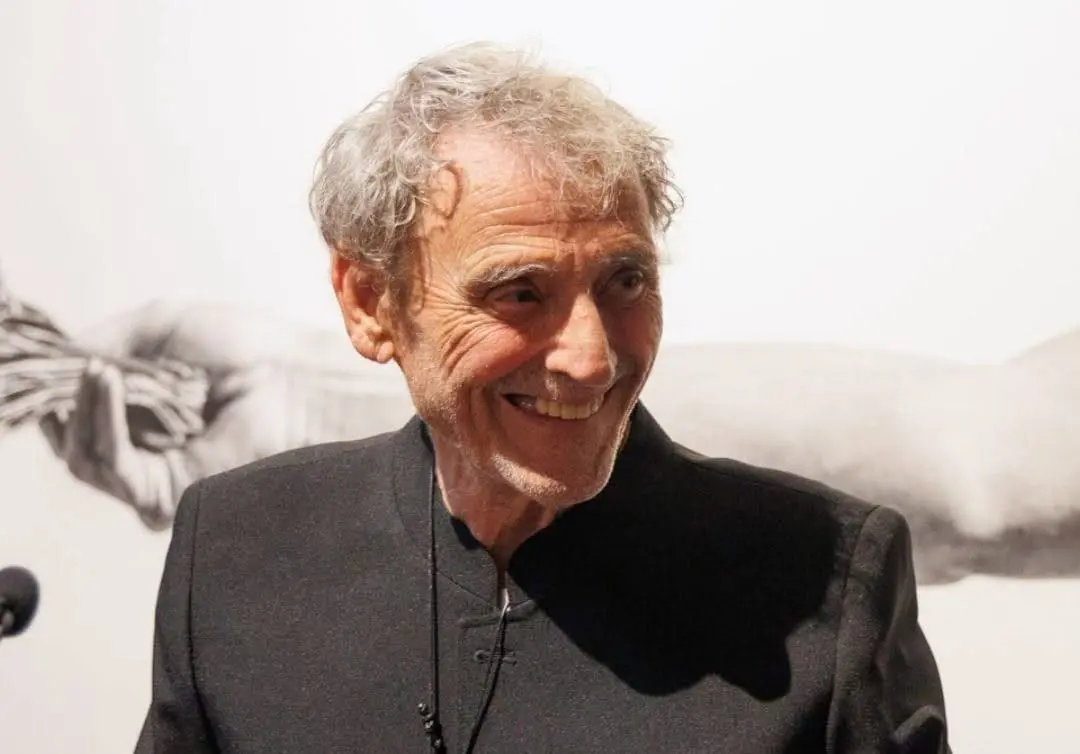
Walking Through Abstract Urban Landscapes
Miquel Navarro, the Spanish sculptor renowned for his monumental Cityinstallations, has died at age 81. His work redefined public art by transforming urban spaces into immersive geometric landscapes.
Culture picks
 Cynthia Erivo to Star as Tupac's Mother in Snoop Biopic
 Taylor Swift cleared a scheduling conflict before signing on for Toy Story 5
 NCIS Returns to Streaming One Day After CBS Pulls Episodes
 Yu-Gi-Oh Celebrates 30 Years with Exclusive Anniversary Art Book
Navarro was born in 1945 in Mislata, a suburb of Valencia. This hometown served as his primary creative wellspring. He spent decades crafting large-scale abstract structures that mimic the silhouettes of skyscrapers and city blocks.
His signature Citysculptures are not static objects. They are designed as walk-through environments. Visitors move through hundreds of abstract geometric shapes that evoke the rhythm of a metropolis. This interactive approach blurred the line between sculpture and architecture.
How Did Navarro Define His Artistic Legacy?
Navarro’s art challenged traditional definitions of sculpture. By inviting the public to physically enter the work, he made the viewer an active participant. Critics noted that his pieces transformed empty plazas into vibrant, contemplative zones.
Navarro’s legacy rests on his ability to make the abstract tangible. He used simple geometric forms to capture the complexity of urban life. His work is now preserved in major collections and public spaces across Spain and beyond.
The art community mourns the loss of a pioneer in environmental sculpture. His influence persists in contemporary artists who explore the intersection of space, form, and human experience.
Frequently Asked Questions
Who was Miquel Navarro? Miquel Navarro was a Spanish sculptor born in 1945 in Mislata, Valencia. He is best known for his large-scale Cityinstallations that depict imaginary urban environments.
What made his Citysculptures unique? These works were designed as walk-through installations. They used abstract geometric shapes to simulate the experience of moving through a city, making the audience part of the artwork.
Where can his work be seen? His sculptures are displayed in public spaces and museums in Spain and internationally. Many of his pieces remain in the streets of Valencia and other European cities.