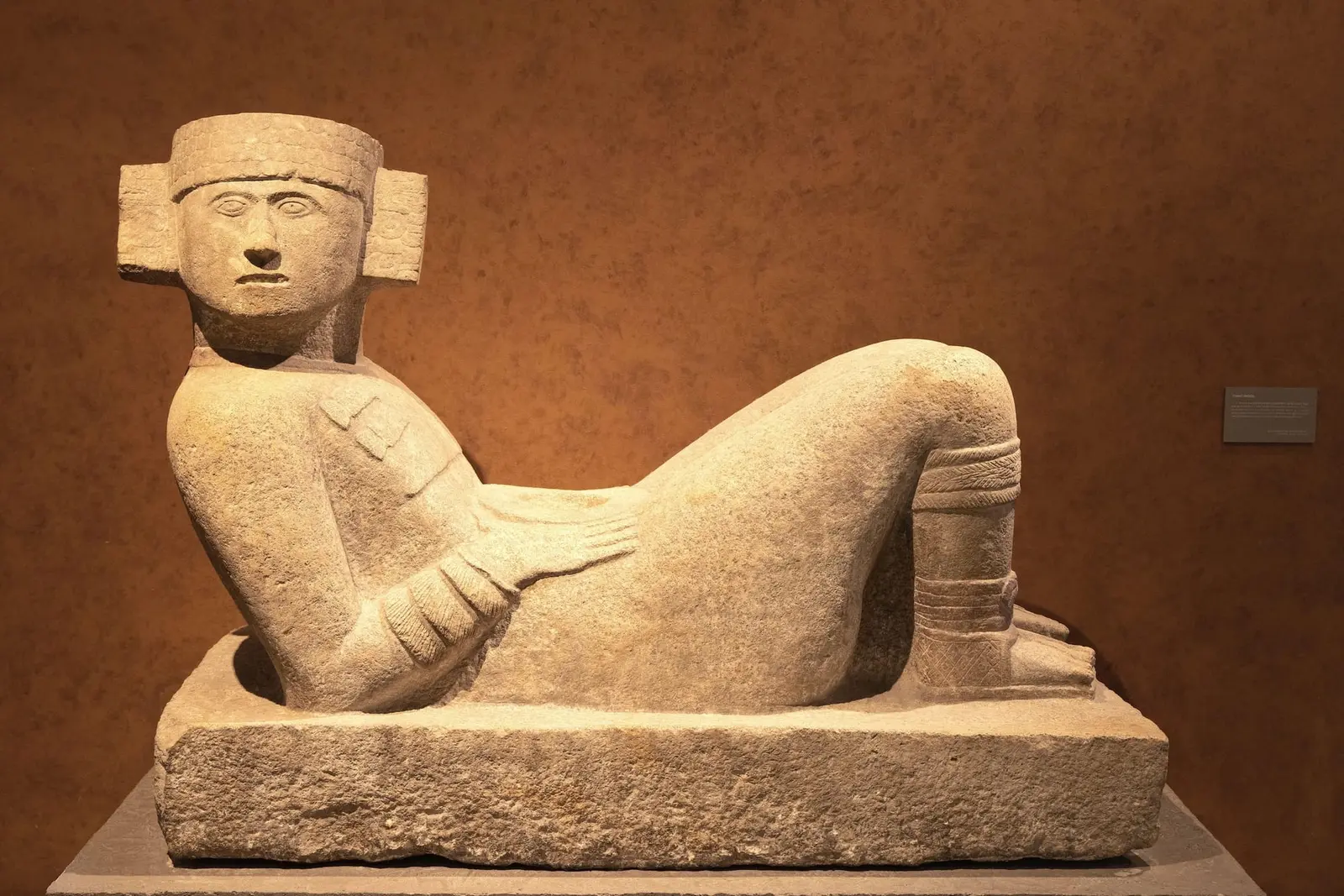
How Stendahl’s Scheme Undermined Museum Integrity
A group of scholars has begun piecing together the life of Earl Stendahl, a mid‑century art dealer who acquired and sold ancient Mesoamerican artifacts to museums across the United States. The investigation, led by historians and archaeologists, focuses on Stendahl’s operations in the 1940s and 1950s, when he allegedly trafficked priceless objects from Central America to prestigious institutions in Los Angeles and beyond.
Culture picks
 Avatar: Seven Havens Launches on Paramount+—What It Means for Viewers
 Warner Music Sues EssilorLuxottica Over Unlicensed Music Use in Ray‑Ban Ad Campaign
 GENER8ION and Yung Lean’s „Storm II” Breaks Into Billboard Hot 100
 Kacey Musgraves Responds to Political Commentary at Country Music Awards
Stendahl’s career began in the 1930s, when he opened a gallery in Los Angeles that showcased modernist paintings. By the 1940s, he had expanded his network to include dealers in Mexico and Guatemala. Using forged documentation and forged provenance, he presented these items as legitimate acquisitions, convincing curators that they were legal imports. The artifacts ranged from jade masks to ceremonial pottery, each with a fabricated story that fit the expectations of American museums.
Is There a Path to Restitution?
Researchers uncovered that Stendahl’s gallery operated as a front for a larger smuggling ring. He would purchase items from local collectors, often paying less than their true value, then re‑export them under false names. The gallery’s records show a steady flow of artifacts with missing or altered provenance, suggesting deliberate deception. Curators, eager to fill their collections, accepted the pieces without rigorous verification, trusting the gallery’s reputation.
One curator, who wished to remain anonymous, recalled how Stendahl would present a „ready‑made” provenance packet, complete with forged export permits. „We were impressed by the documentation and the price,” the curator said. „We never questioned the authenticity of the paperwork.” The artifacts were then displayed in high‑profile exhibitions, cementing Stendahl’s influence in the art world.
The discovery of these practices has prompted several museums to re‑examine their holdings. Several institutions have initiated provenance research projects to determine whether any of their Mesoamerican collections were acquired through Stendahl’s network. In some cases, items have already been removed from display pending further investigation.
Frequently Asked Questions
The question of restitution is complex. Some artifacts are now held by private collectors, making legal action difficult. Others remain in public institutions, where museums are under increasing pressure to correct past wrongs. The scholars suggest that a collaborative approach—combining legal expertise, diplomatic channels, and academic research—could lead to the return of certain items to their countries of origin.
The investigation also highlights the need for stricter import regulations and better record‑keeping. Museums are urged to verify provenance through multiple sources, including archaeological reports and independent expert assessments. The case of Stendahl serves as a cautionary tale, illustrating how unchecked acquisitions can compromise cultural heritage.